What Are the Symptoms of Heavy Metal Toxicity?

Heavy metals such as lead, aluminum, cadmium, and mercury are considered neurotoxins. When a person has been exposed to a toxic level of one or more of these metals, they can cause brain fog, fatigue, eczema, skin rash, hair loss, constipation, bloating, anxiety, depression, and high blood pressure.

Getting a correct diagnosis is the first step in detoxifying heavy metals from your system. Dr. Shiva Lalezar, a leader in Functional Medicine, uses IV chelation therapy in Los Angeles to holistically treat specific, targeted medical conditions related to heavy metal toxicity.

How Does IV Chelation Therapy Work?

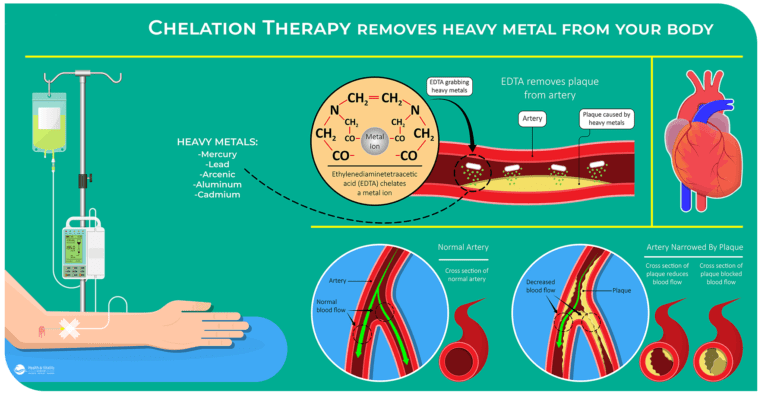
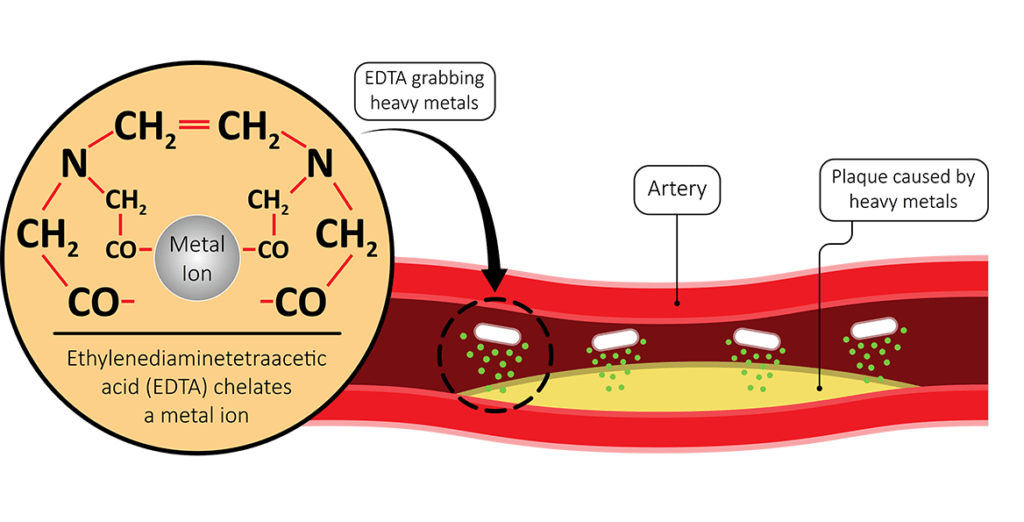
Chelation therapy works by administering chelating agents that bind to heavy metals and safely remove them from the body through the urine. These compounds work by forming multiple chemical bonds to a metal ion. This diagram is a chelate complex formed by the chelating agent EDTA and the toxic heavy metal cadmium (Cd). Once the metal ion is bound, the combined structure is called a chelate complex. This complex envelops the often-dangerous metal ion and prevents it from reacting in the body to do damage. Chelation treatment has been in use since the 1940s to treat poison gas exposure and later, to treat lead poisoning. Today, chelation therapy is used to treat exposure to many different toxic metals.

Chelation Therapy infographic

What Substances Are Used in Chelation Therapy?

Dr. Lalezar uses the following compounds for chelation therapy:

EDTA

EDTA (ethylenediaminetetraacetic Acid) is a type of amino acid. It is used as a chelating agent for a number of heavy metals such as lead, aluminum, cadmium, nickel, gadolinium, and arsenic. The type of EDTA used at the Health and Vitality Center is compounded calcium-EDTA and disodium-EDTA.

EDTA infographic

DMPS

DMPS, a sulfur-based compound that is particularly efficient in binding to mercury in the bloodstream, given via IV. Mercury is present in many people who have silver fillings in their teeth or who have consumed high mercury fish such as Tuna, King Mackerel, Sea Bass, Cod, Catfish, Orange Roughy, or Swordfish. Unfortunately, the CA Board of Pharmacy has placed many restrictions on most compounding pharmacies to not ship DMPS and EDTA to California. These restrictions are not applied to other states.

As a result, the Health and Vitality Center is now offering oral DMSA (meso-2, 3-dimercaptosuccinic acid). DMSA removes mercury and lead via the kidneys and bile in the stool. To Dr. Lalezar’s surprise, DMSA has been as effective as IV DMPS in removing most metals. Dr. Lalezar pairs DMSA oral chelation with high-dose IV Vitamin C and IV Glutathione. These IVs prevent remobilization and movement of heavy metals from one compartment to another.

Glutathione

Glutathione is not a chelating agent. However, Dr. Lalezar administers it with either EDTA, DMPS, or DMSA because it increases the efficacy of your chelation therapy while reducing the incidence of adverse reactions and redistribution. Glutathione makes the toxins water-soluble, so you can kick them out through your urine and stool.

Background media

Which Medical Conditions Can IV Chelation Therapy Help With?

Dr. Lalezar uses chelation therapy for several conditions, including:

  • Heavy Metal Overload
  • High Blood Pressure
  • Cardiovascular Disease
Banner media

How Is Intravenous Chelation Therapy Administered?

Your chelation therapy will be administered by an IV expert in the Health & Vitality Center’s IV therapy suite. The entire treatment process is personally supervised by Dr. Lalezar. You can comfortably listen to music, browse the internet on your laptop, or read a book. Most chelation therapy treatments can be completed within half an hour to one hour.

abstract art

Detoxification & Chelation Therapy at Health & Vitality Center

At Health & Vitality Center in Los Angeles, we utilize advanced laboratory testing and evidence-based detoxification strategies to safely address toxic overload.

Urine Toxicology Screen

A comprehensive urine toxicology screen evaluates levels of heavy metals and environmental toxins stored in the body. This test helps determine whether toxic exposure may be contributing to fatigue, cognitive dysfunction, hormonal imbalance, cardiovascular risk, or autoimmune symptoms. Results guide the development of a personalized detox protocol. 

Heavy Metal Toxicity

If elevated levels of heavy metals such as mercury or lead are detected, targeted chelation therapy may be recommended. Chelation agents such as CaEDTA or DMPS bind to heavy metals, allowing the body to safely eliminate them. This structured approach supports neurological health, reduces inflammation, and helps restore cellular function.

How Do I Know if Chelation Treatment Is Right for Me?

Dr. Lalezar gives each patient a urine toxicology screening to evaluate the concentrations of heavy metals in the body. The results of this diagnostic test will determine whether Dr. Lalezar recommends chelation therapy or not. It’s also important to provoke with a chelating agent prior to collecting your urine for 6 hours to see how much heavy metal is excreted in the urine.

Can IV Chelation Therapy Help Patients With Silver Dental Fillings?

Many patients concerned about their silver fillings come to the Health & Vitality Center for evaluation. Amalgam fillings are composed of 70 percent mercury. Every time you chew or drink hot fluid, you release 17 µgs of mercury vapor from each tooth on a daily basis.

The toxic mercury vapor is then absorbed into the body. Fortunately, Dr. Lalezar has had great success using chelation therapy to remove mercury from patients. She can also refer you to a holistic dentist who is experienced in removing these fillings safely.

Banner media

Thinking About Where to Get IV Chelation Therapy? Dr. Lalezar Is Here to Help!

Dr. Lalezar’s practice, the Health and Vitality Center, is one of the leading centers for functional medicine in Los Angeles, and Dr. Lalezar is regarded as one of the best holistic doctors in Los Angeles.

The Health and Vitality Center has been featured on Fox News and in Suzanne Somers’ Doctor Resource Guide. Dr. Lalezar is certified in Chelation Therapy by the American College for Advancement in Medicine. She has over twenty years of experience in administering IV chelation therapy. 

She relieves your symptoms holistically by treating the problem at its source. Dr. Lalezar uses an integrative approach that combines the most advanced conventional medical therapies with state-of-the-art Functional Medicine treatments for maximum results.

Work in a toxin-heavy profession?

We treat the long-term effects of occupational exposure, including firefighters, police, tradespeople, and more.

Contact us media

Take the Next Step Contact Dr. Lalezar for Chelation Treatment

Dr. Lalezar’s reputation and expertise have made the Health & Vitality Center one of the most popular places for IV chelation therapy in Los Angeles. Come in for a consultation to get started on the road to better health.

You can schedule an appointment with Dr. Lalezar at the Health and Vitality Center by calling her office directly at 310-477-1166 or simply click to schedule an appointment online today.

Quick Answers

General Questions?

What is chelation therapy?

Chelation therapy is a medical procedure that uses chelating agents—substances that bind to heavy metals like lead, mercury, aluminum, cadmium, nickel, gadolinium, and arsenic—to remove them from the bloodstream. These agents, commonly administered intravenously or orally, capture toxic metals and facilitate their excretion via the kidneys or gastrointestinal tract. Functional medicine often uses chelation therapy when tests show high metal toxicity levels, emphasizing that it should be part of a broader detox strategy including diet, antioxidants, and gut health support.

How does chelation therapy work?

Chelation therapy introduces agents such as EDTA or DMSA that bind to toxic metals in the bloodstream. These compounds are then excreted through urine or stool. Because chelation can also affect essential minerals, it is typically done under medical supervision and supported with nutritional strategies to maintain mineral balance and overall detoxification.

Is chelation therapy FDA-approved?

Chelation therapy is FDA-approved for treating heavy metal poisoning. It may also be used off-label in functional medicine for other conditions, but this requires careful evaluation, monitoring, and a personalized treatment plan.

What conditions can chelation therapy treat?

It is primarily used for heavy metal toxicity, though it has also been explored for cardiovascular disease, neurodegenerative conditions, and inflammation-related disorders. Functional medicine uses it as part of a broader approach to reduce toxin burden and support overall health.

How long has chelation therapy been in use?

Chelation therapy has been used since the 1940s, originally for lead poisoning. Over time, it has expanded into functional and integrative medicine as part of comprehensive detoxification protocols.

What metals does chelation therapy target?

It primarily targets heavy metals such as lead, mercury, aluminum, gadolinium, arsenic, and cadmium. These metals can accumulate in the body and affect various systems, including neurological, immune, and kidney function.

Who can benefit from chelation therapy?

People with confirmed heavy metal toxicity or exposure may benefit, especially those with symptoms like fatigue, cognitive issues, or immune dysfunction. Testing is essential before starting therapy, and treatment is typically tailored to individual needs and exposure levels.

Is chelation therapy safe?

It is generally safe when performed by a qualified practitioner. However, because it can also remove essential minerals, proper monitoring and nutritional support are important to minimize risks.

Are there side effects of chelation therapy?

Some individuals may experience mild symptoms such as fatigue, headaches, nausea, or body aches as toxins are mobilized. More serious risks like mineral imbalances or kidney strain are rare but require monitoring and proper medical guidance.

Can chelation therapy remove heavy metals from the body?

Yes, chelation therapy binds to heavy metals and helps remove them through natural excretion pathways. Functional medicine enhances this process with additional support for liver, kidney, and overall detox function.


Indication and Uses

What conditions are most commonly treated with chelation therapy?

Chelation therapy is most commonly used for heavy metal toxicity, including lead, mercury, aluminum, cadmium, gadolinium, and arsenic. It is also explored for conditions like cardiovascular disease, Alzheimer’s disease, and diabetes. Functional medicine practitioners use chelation carefully in chronic illness cases where toxic metals may contribute to inflammation or oxidative stress, always confirming toxicity through lab testing before treatment.

Is chelation therapy effective for treating heart disease?

Chelation therapy, particularly with EDTA, has shown some promise for improving heart health by reducing calcium buildup in arteries and lowering oxidative stress. While it is not a first-line treatment, it may be used in functional medicine as part of a broader plan that includes diet, lifestyle changes, and stress management, especially when heavy metal exposure is a contributing factor.

Can chelation therapy be used for autism spectrum disorder?

Chelation therapy has been explored in autism spectrum disorder but remains controversial. It may be considered only in cases with confirmed heavy metal toxicity and is not a primary treatment. Functional approaches typically prioritize diet, gut health, and other supportive therapies first, using chelation only in carefully monitored situations.

Is chelation therapy recommended for lead poisoning?

Yes, chelation therapy is a standard and effective treatment for lead poisoning. Agents such as EDTA and DMSA bind to lead and help remove it from the body. Treatment is carefully monitored and often supported with nutrition to maintain mineral balance and overall health.

Can chelation therapy be used for mercury poisoning?

Yes, chelation therapy can be used for mercury poisoning, often with agents like DMSA or DMPS. Functional medicine emphasizes a slow, controlled approach along with detox support such as hydration, antioxidants, and gut health strategies to safely eliminate mercury.

Does chelation therapy help with Alzheimer’s disease or dementia?

Research is ongoing, but some believe chelation therapy may help by reducing metal-related oxidative stress in the brain. Functional medicine practitioners use caution and typically consider chelation only when heavy metal toxicity is confirmed, combining it with broader brain health strategies such as nutrition, exercise, and cognitive support.

Is chelation therapy effective for improving blood circulation?

Chelation therapy may support circulation by reducing arterial calcification and improving blood flow, particularly in peripheral artery disease. It is often used as part of a comprehensive cardiovascular approach that includes diet, exercise, and lifestyle changes.

Can chelation therapy help with diabetes or diabetic complications?

Chelation therapy may help reduce inflammation and heavy metal burden, which can impact metabolic health and insulin function. However, functional medicine typically prioritizes diet, exercise, and lifestyle interventions first, using chelation only when metal toxicity is a contributing factor.

Procedure & Treatment Process

How is chelation therapy administered?

Chelation therapy is commonly administered intravenously, although oral forms such as DMSA are also effective. The method is chosen based on the patient’s toxicity level and overall health, with IV administration often providing faster results under clinical supervision.

How many sessions of chelation therapy are typically needed?

The number of sessions varies widely, typically ranging from 5 to 30 or more depending on toxicity levels and treatment goals. Progress is monitored through testing, and session frequency is adjusted to ensure safety and effectiveness.

What should I expect during a chelation therapy session?

During a session, a chelating agent is administered either intravenously or orally. IV sessions usually last 1–2 hours, during which you’ll be seated comfortably while being monitored for safety and comfort. Mild fatigue afterward is common, and hydration and rest are encouraged.

Is chelation therapy painful?

Chelation therapy is generally not painful. You may feel a slight pinch when the IV is inserted, but the session itself is typically comfortable. Some people may experience mild fatigue or nausea afterward, which usually resolves with rest and hydration.

How long does each chelation therapy session last?

Each session typically lasts between 1–2 hours, depending on the dosage and individual needs. The duration may be adjusted to ensure a safe and effective detox process.

Are there any preparations needed before starting chelation therapy?

Before beginning therapy, lab tests are often performed to assess heavy metal levels, kidney function, and mineral status. Staying well-hydrated and maintaining a nutrient-rich diet can help support detoxification and reduce potential side effects.

What should I do after a chelation therapy session?

After a session, it’s important to drink plenty of water to help flush out toxins. Rest is recommended, as some people feel fatigued. Eating a balanced meal can also help replenish essential nutrients.

Can chelation therapy be done at home, or must it be done in a medical setting?

Oral chelation may be done at home in some cases, but intravenous chelation should always be performed in a medical setting under professional supervision to ensure safety and proper monitoring.

Risk & Side Effects

What are the potential side effects of chelation therapy?

Side effects may include mild nausea, fatigue, and temporary mineral depletion. In rare cases, more serious issues like kidney strain or low blood pressure can occur. Careful dosing, monitoring, hydration, and mineral support help reduce these risks.

Can chelation therapy cause kidney damage?

In rare cases, chelation therapy can place stress on the kidneys, especially at higher doses or in individuals with pre-existing kidney issues. Monitoring kidney function, staying hydrated, and using appropriate dosing helps maintain safety.

Are there any risks of chelation therapy for heart patients?

Chelation therapy may pose risks for individuals with unstable heart conditions, as it can affect blood pressure and electrolyte balance. A thorough evaluation and proper supervision are essential before starting treatment.

Does chelation therapy have any long-term effects?

Most people do not experience long-term adverse effects when therapy is properly managed. Ongoing monitoring is important, as chelation can reduce essential minerals over time, which may require supplementation.

Who should avoid chelation therapy?

Chelation therapy may not be appropriate for individuals with severe kidney disease, certain heart conditions, or specific mineral deficiencies. Pregnant individuals and those with complex health conditions should seek medical guidance before treatment.

Can chelation therapy lead to nutrient deficiencies?

Yes, chelation therapy can bind to essential minerals such as calcium, magnesium, and zinc, which may lead to deficiencies if not addressed. Maintaining proper nutrition and supplementation helps support balance during treatment.

Efficacy & Scientific Evidence

Is there scientific evidence supporting chelation therapy?

Research on chelation therapy is mixed. There is strong evidence supporting its use for heavy metal poisoning, while evidence for cardiovascular and other chronic conditions is still evolving. It is often considered a complementary approach based on individual needs and clinical evaluation.

What do experts say about the effectiveness of chelation therapy?

Expert opinions vary. Toxicologists widely support its use for heavy metal detoxification, while its broader applications are approached with caution. Its effectiveness often depends on individual health factors and proper medical supervision.

Has chelation therapy been studied in clinical trials?

Yes, chelation therapy has been studied in clinical trials, including the TACT (Trial to Assess Chelation Therapy) for heart disease. Some findings suggest potential cardiovascular benefits, particularly in certain populations, though more research is needed.

Are there any success stories from patients who have undergone chelation therapy?

Many patients report improvements in energy, mental clarity, skin health, and reduced joint or body discomfort, particularly when heavy metal toxicity is present. Individual results vary, and outcomes are often influenced by overall health, lifestyle, and a comprehensive treatment approach.

Cost & Accessibility

How much does chelation therapy cost?

The cost of chelation therapy varies depending on the clinic, location, and type of chelating agent used. Pricing is typically per session, and the total cost depends on the number of sessions needed. Some clinics offer packages or payment plans to make treatment more accessible.

Where can I find a qualified practitioner for chelation therapy?

Qualified practitioners can be found through organizations like the American College for Advancement of Medicine or within functional and integrative medicine clinics. It’s important to verify credentials, training, and experience before starting treatment.

Are there alternatives to chelation therapy?

Yes, alternatives include diet-based detoxification, sauna therapy, and nutritional support to enhance the body’s natural detox pathways. These approaches may be used alone in mild cases or alongside chelation as part of a comprehensive plan.

How do I know if a chelation therapist is reputable?

A reputable practitioner will have proper medical credentials, specialized training in detoxification therapies, and a focus on individualized care. Reviewing certifications, affiliations, and patient feedback can help ensure you are working with a qualified professional.

You still have more options.

Contact Us
Accessibility: If you are vision-impaired or have some other impairment covered by the Americans with Disabilities Act or a similar law, and you wish to discuss potential accommodations related to using this website, please contact our Accessibility Manager at (424) 512-8672.
Contact Us