
ADHD often reflects deeper imbalances in nutrients, neurotransmitters, toxic burden, and gut health, and meaningful improvement requires more than symptom suppression alone.





Nutrient Deficiencies and Toxic Burden
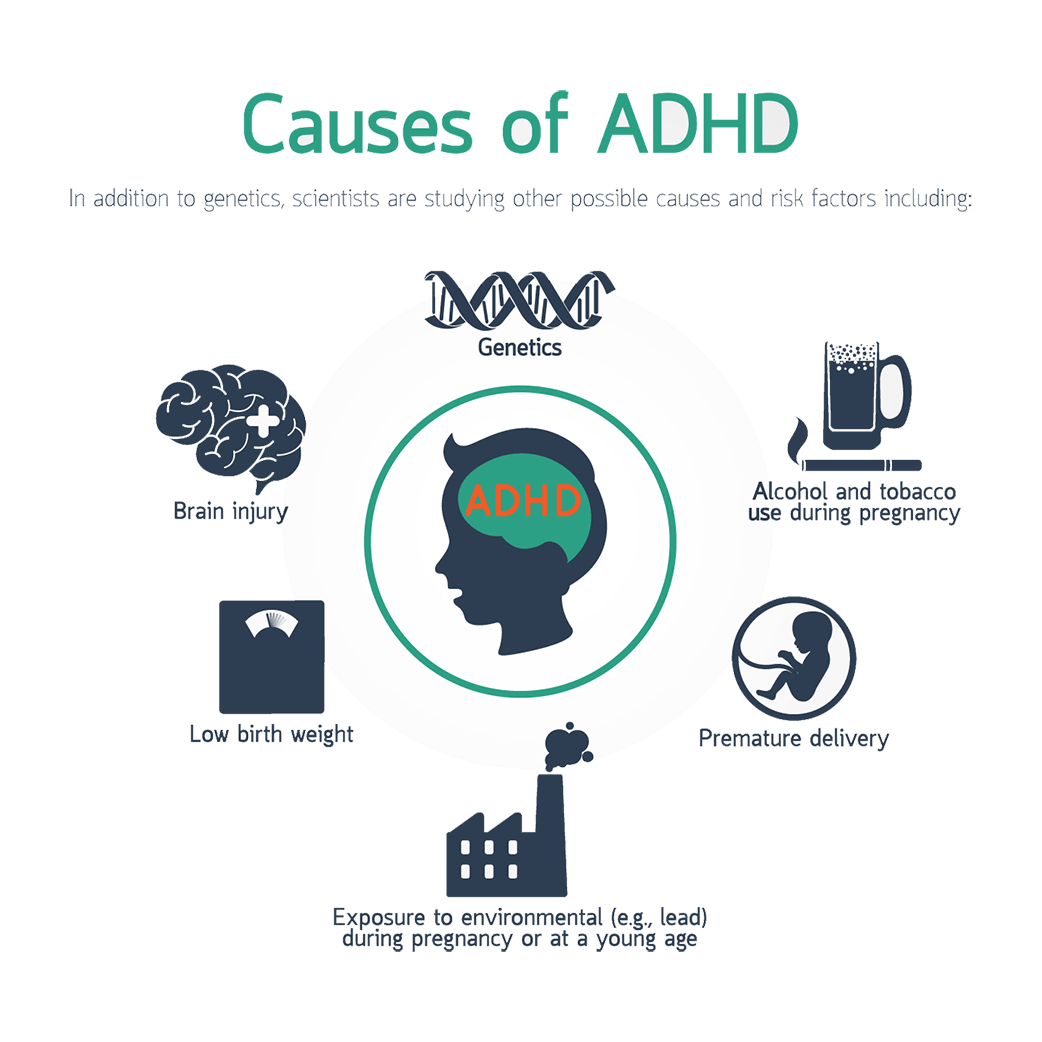
Often, there is a vitamin D , Vitamin B6, Zinc, and Magnesium deficiency in patients with ADHD. Additionally, we have seen high levels of lead and mercury in the body. These are neurotoxins and can adversely affect brain function and alter neurotransmitter levels. IV chelation removes heavy metals, and amino acids are prescribed to replace the deficiencies. Correcting nutrient deficiencies and reducing toxic burden may help improve focus, reduce irritability, and stabilize mood by supporting healthier brain chemistry.