SIBO Treatment for Chronic Bloating and Digestive Distress

Small Intestinal Bacterial Overgrowth (SIBO) has become an increasingly common cause of chronic digestive symptoms once labeled as irritable bowel syndrome. Many patients struggle with persistent gas, abdominal bloating, constipation, diarrhea, and cramping without understanding the true source of their discomfort. At Health & Vitality Center, Dr. Shiva Lalezar uses advanced breath testing and a comprehensive functional medicine approach to accurately diagnose and treat SIBO, helping patients restore digestive balance and long-term gut health. Schedule your consultation today to begin personalized SIBO treatment in Los Angeles.

Understanding Small Intestinal Bacterial Overgrowth

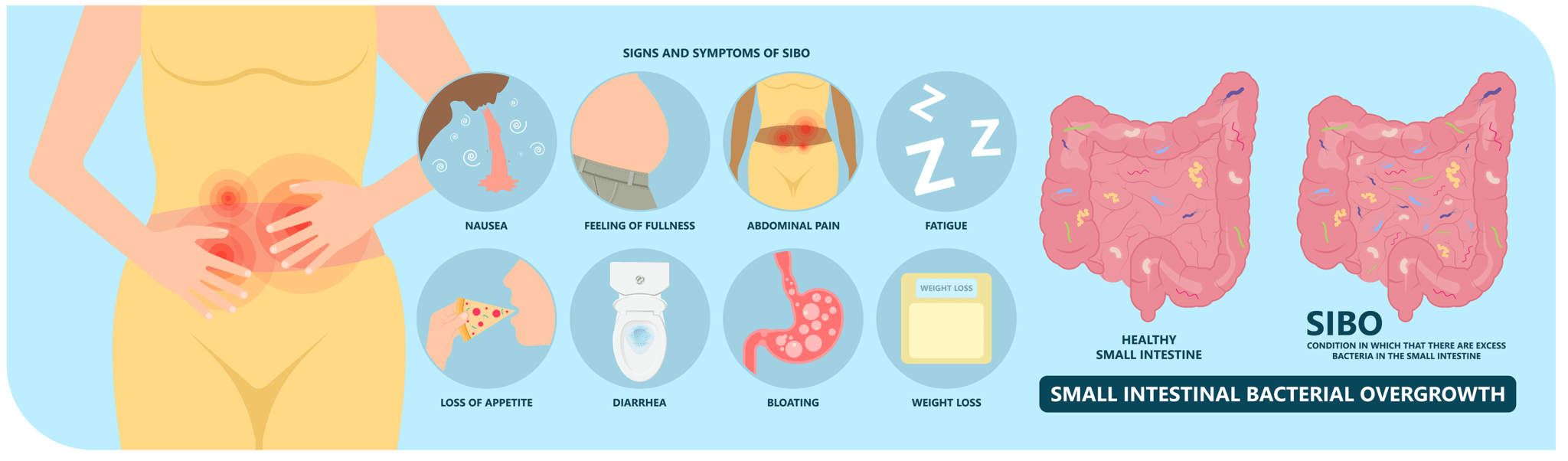
Many patients are complaining of gas, bloating, constipation, and diarrhea. These symptoms have become an epidemic in our time. We used to diagnose patients with irritable bowel syndrome. About fifteen years ago, Dr. Pimentel at Cedars-Sinai determined that patients with chronic bloating have bacterial overgrowth in their small intestines. A 3-hour breath test will indicate if you have methane or hydrogen-producing bacteria in your small intestine. Methane can cause constipation and a malodorous gas, and hydrogen can cause watery stool and cramps.

The breath test kit is provided for you to perform at home. The day before the test, you can only eat white rice, chicken broth, turkey, and eggs.  After fasting for 8 hours, you will start collecting your breath in the provided tubes every 20 minutes. After the first breath collection, you will drink a lactulose solution. It generally takes two weeks for us to receive your results. Antibiotics and strong herbs such as Xifaxan, Neomycin, and Biocidin have greatly relieved many patients with chronic intestinal issues. A low FODMAP diet will be recommended after being done with antibiotics.

Banner media

sibo infographic

Stay Connected With Us

Work in a toxin-heavy profession?

We treat the long-term effects of occupational exposure, including firefighters, police, tradespeople, and more.

Contact us media

Learn More About SIBO:

Call the Health & Vitality Center at 310-477-1166 or click here to schedule an appointment for SIBO treatment in Los Angeles. Holistic doctor Shiva Lalezar not only treats SIBO, but she also employs methods that prevent it from negatively impacting your everyday life. Our practice uses an integrative approach, combining the best conventional therapies with the latest techniques and treatments in Functional Medicine for optimal results.

FAQ SIBO (Small Intestinal Bacterial Overgrowth)

What causes SIBO to develop?

The small intestine has natural defenses against bacterial colonization, including gut motility, stomach acid, and immune surveillance. When these break down, bacteria establish themselves where they don't belong. Common contributors include impaired motility, low stomach acid, prior abdominal surgery, chronic use of acid-suppressing medications, hypothyroidism, and immune dysfunction.

Can SIBO recur after treatment, and how is recurrence prevented?

Recurrence is one of the most common challenges in SIBO management. Without correcting the underlying condition that allowed overgrowth to develop, symptoms frequently return after antibiotics end. Prevention requires identifying root causes and, where appropriate, using prokinetic agents, dietary strategies, and ongoing monitoring.

Can SIBO cause symptoms beyond the digestive tract?

Yes. Bacterial byproducts from the small intestine enter the bloodstream and can drive systemic symptoms including fatigue, brain fog, joint pain, rosacea, and mood disturbances. SIBO-related nutrient depletion compounds these effects further.

How does SIBO affect nutrient absorption?

The small intestine is where most nutrient absorption occurs. Bacterial overgrowth damages the mucosal lining and competes for key nutrients, impairing absorption of fat-soluble vitamins, B12, iron, and zinc. The resulting deficiencies can produce fatigue, immune dysfunction, and symptoms with no obvious digestive connection.

Can SIBO be treated with diet alone?

Diet reduces the fermentable carbohydrates that feed bacteria but rarely eradicates the overgrowth on its own. Most patients require targeted antimicrobials, pharmaceutical or herbal, to meaningfully reduce bacterial burden. Elemental diets, which are absorbed before reaching colonized areas of the intestine, may also be used as a primary intervention in certain cases.

How does the low FODMAP diet work, and how long must it be followed?

FODMAPs are fermentable carbohydrates that bacteria in the small intestine readily ferment, producing the gas and bloating characteristic of SIBO. The low FODMAP diet starves bacteria of that substrate and can significantly reduce symptoms. It is typically followed for six to twelve weeks, then unwound gradually through a structured reintroduction phase to identify personal triggers.

Is SIBO associated with conditions beyond digestive disease?

Yes. SIBO has been linked to fibromyalgia, rosacea, restless leg syndrome, and certain inflammatory and autoimmune conditions, likely through immune activation, systemic inflammation, and nutrient depletion. Many patients with these diagnoses improve meaningfully when underlying SIBO is identified and treated.

How does SIBO relate to leaky gut?

Bacterial overgrowth damages the intestinal lining and loosens the tight junctions between cells, increasing permeability. This allows bacterial toxins and inflammatory compounds to enter the bloodstream, driving immune activation throughout the body. SIBO and leaky gut frequently coexist and reinforce each other, which is why repair protocols often need to address both.

What is hydrogen sulfide SIBO, and is it different from what the standard breath test detects?

Hydrogen sulfide SIBO is a subtype in which bacteria produce hydrogen sulfide rather than the hydrogen or methane that standard lactulose breath tests measure. Symptoms include diarrhea, a distinctive gas odor, and brain fog. Because it goes undetected by routine testing, speak with Dr. Lalezar about whether additional evaluation is warranted based on your symptom profile.

Who is at higher risk of developing SIBO?

Risk is elevated in patients with a history of abdominal surgery, chronic acid-suppressing medication use, hypothyroidism, diabetes, immune deficiency, or connective tissue disorders. Prior food poisoning or gastroenteritis can damage the nerve cells that control gut motility, increasing vulnerability significantly. Patients with longstanding IBS-like symptoms that have never been thoroughly investigated are also frequently found to have SIBO as an underlying driver.

You still have more options.

Contact Us
Accessibility: If you are vision-impaired or have some other impairment covered by the Americans with Disabilities Act or a similar law, and you wish to discuss potential accommodations related to using this website, please contact our Accessibility Manager at 310-477-1166.
Contact Us