Ending the Cycle of Recurrent Yeast Overgrowth

Recurring yeast infections can be frustrating, uncomfortable, and discouraging, especially when symptoms return shortly after treatment. While topical or oral antifungals may offer temporary relief, they often fail to address the underlying environment that allows yeast to thrive. At Health & Vitality Center, Dr. Shiva Lalezar approaches chronic yeast infections through functional medicine, focusing on gut balance, detoxification, immune strength, and metabolic stability. Schedule your consultation with Health & Vitality Center to begin a root-cause approach to chronic yeast infection treatment.

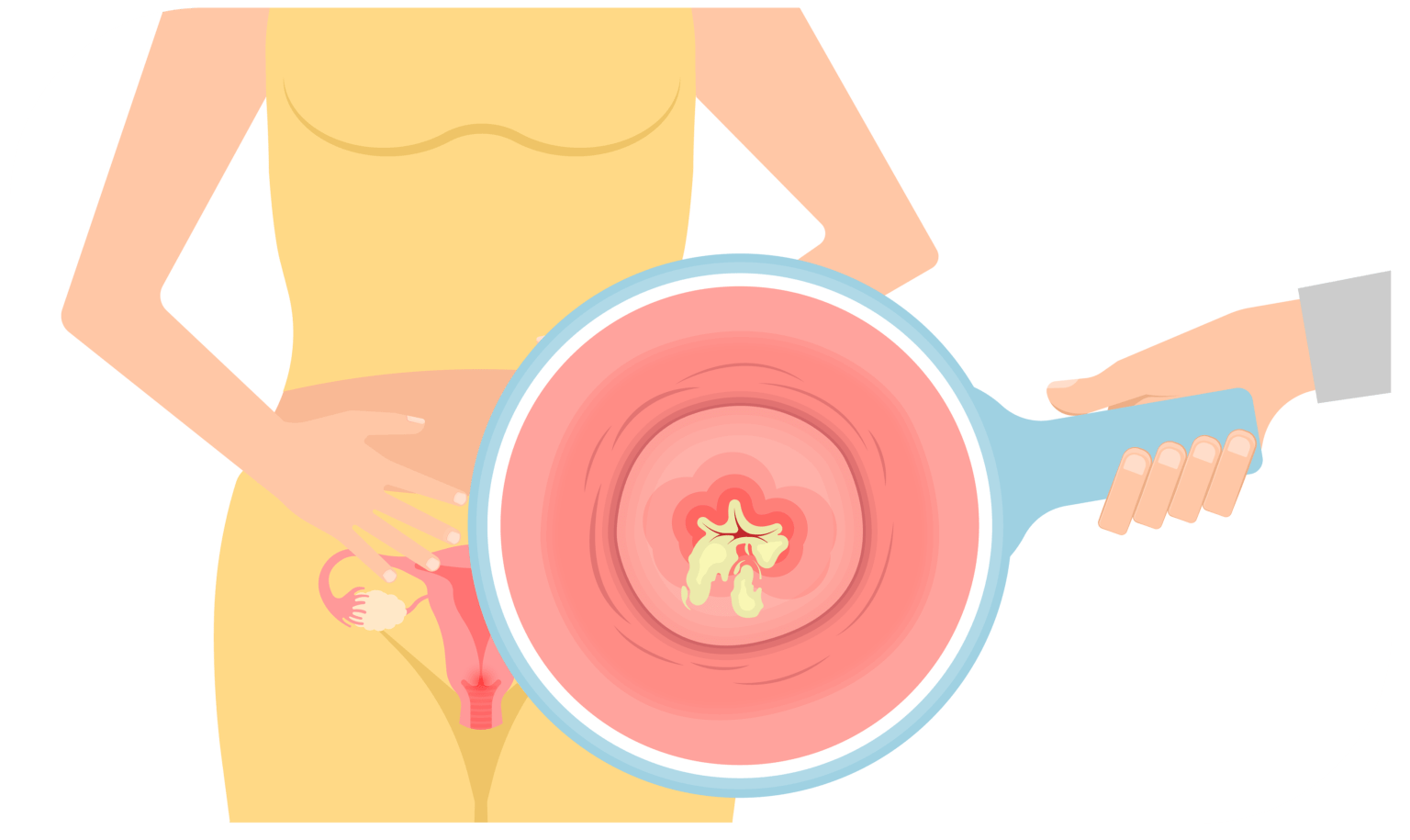
Yeast Infections graphic

Symptoms of Chronic Yeast Infections

Chronic yeast infections have become an epidemic in our era. If you are not getting a vaginal yeast infection, it doesn’t necessarily mean you do not have yeast overgrowth in your system. Systemic yeast can cause extreme fatigue, brain fog, joint pain, muscle ache, constipation, skin rash, dermatitis, gas, bloating, and memory loss. A CDSA (complete diagnostic stool analysis) can indicate if you have yeast overgrowth in your body. Herbal and medicinal antifungals are prescribed to stop yeast growth.

Work in a toxin-heavy profession?

We treat the long-term effects of occupational exposure, including firefighters, police, tradespeople, and more.

Contact us media

How to Naturally Treat Chronic Yeast Infections

A strict candida-free diet should be followed for at least six weeks, eliminating sugar, fruits, gluten-containing grains, and dairy except for yogurt, balsamic vinegar, honey, alcohol, potato, corn, coffee, citric acid, soy, and peanuts.

As yeast infection specialists for over twenty years, we have found that IV chelation of heavy metals treats and resolves chronic yeast and bacterial infections. Heavy metals cause biofilm formation around yeast and make them resistant to antifungals.

That’s why you get some relief with Monistat and Diflucan, but you keep getting a yeast infection within a few weeks. IV chelation therapy has resolved chronic yeast and bacterial vaginosis once and for all.

Women smiling holding mug

Learn More About Treatments for Chronic Yeast Infections:

Yeast infection specialist Dr. Shiva Lalezar will treat the underlying causes of your chronic yeast infections. She employs an integrative approach, combining the best conventional therapies with the latest techniques and treatments in Functional Medicine for optimal results. Call the Health & Vitality Center at 310-477-1166 or click here to schedule an appointment. We are one of the leading Functional Medicine centers in Los Angeles.

FAQ Chronic Yeast Infections

What causes yeast to overgrow in the first place?

Candida and other yeast species naturally live in small amounts in the gut, skin, and mucous membranes. Overgrowth occurs when the conditions that normally keep yeast in check are disrupted. Repeated antibiotic use, a diet high in refined carbohydrates, hormonal imbalances, chronic stress, and compromised immune function can all shift the internal environment in ways that allow yeast to proliferate beyond normal levels.

Can men develop systemic yeast overgrowth?

Yes. While yeast infections are more commonly associated with women, men can develop both localized and systemic candida overgrowth. Symptoms may include fatigue, brain fog, digestive complaints, skin issues, and fungal nail or skin conditions. Systemic yeast overgrowth in men is frequently underdiagnosed because the public association with vaginal infections dominates awareness.

Can medications other than antifungals contribute to yeast overgrowth?

Yes. Antibiotics are among the most common triggers, as they disrupt the beneficial bacteria that normally keep yeast populations controlled. Oral corticosteroids, immunosuppressants, and hormonal contraceptives can also create an environment more favorable to yeast proliferation.

How does gut health specifically enable yeast overgrowth?

The gut microbiome is one of the primary regulators of yeast populations in the body. When beneficial bacteria are depleted, yeast can colonize the intestinal lining, contribute to increased gut permeability, and produce inflammatory metabolic byproducts. A compromised gut environment also weakens immune surveillance, making it harder for the body to keep yeast in check on its own.

How long does full treatment typically take?

The initial dietary phase lasts at least six weeks, but complete resolution, particularly when heavy metal burden or gut dysbiosis is involved, may take considerably longer. The timeline depends on the degree of overgrowth, how the body responds to chelation and antifungal protocols, and how thoroughly the underlying contributors are addressed.

Can chronic yeast overgrowth affect mood or mental health?

Yes. Candida produces metabolic byproducts, including acetaldehyde, that can interfere with neurotransmitter function and contribute to symptoms such as anxiety, irritability, and low mood. These effects are not always recognized as yeast-related, which is one reason systemic candida frequently goes unidentified in patients seeking help primarily for mood or cognitive symptoms.

Are there specific probiotic strains that help control yeast?

Certain strains of Lactobacillus and Saccharomyces boulardii have demonstrated antifungal activity and can help restore microbial balance in ways that limit yeast overgrowth. Not all probiotics produce the same effect, which is why strain selection and dosing in Dr. Lalezar's protocols are targeted rather than generic.

Is chronic yeast infection contagious or sexually transmissible?

Yeast is not classified as a sexually transmitted infection, but transmission between sexual partners is possible in cases of genital yeast. This typically does not become a persistent clinical issue unless one partner has an underlying predisposition that allows yeast to establish and thrive. Addressing the internal environment is generally more effective than focusing on transmission alone.

Is ongoing maintenance needed after treatment is complete?

For many patients, dietary awareness, targeted probiotic support, and periodic monitoring help prevent recurrence after active treatment ends. The extent of ongoing management depends on individual susceptibility and whether root causes have been fully resolved. Dr. Lalezar works with each patient to develop a maintenance strategy aligned with their health history and risk profile.

Can chronic stress drive yeast overgrowth?

Yes. Chronic stress elevates cortisol, which can suppress immune function and alter gut motility and microbial balance. A weakened immune response makes it easier for yeast to proliferate, while disrupted flora removes a key layer of protection. Stress management is often incorporated into yeast treatment protocols alongside dietary and medical interventions.

You still have more options.

Contact Us
Accessibility: If you are vision-impaired or have some other impairment covered by the Americans with Disabilities Act or a similar law, and you wish to discuss potential accommodations related to using this website, please contact our Accessibility Manager at 310-477-1166.
Contact Us